What Is Token Burning in Crypto?
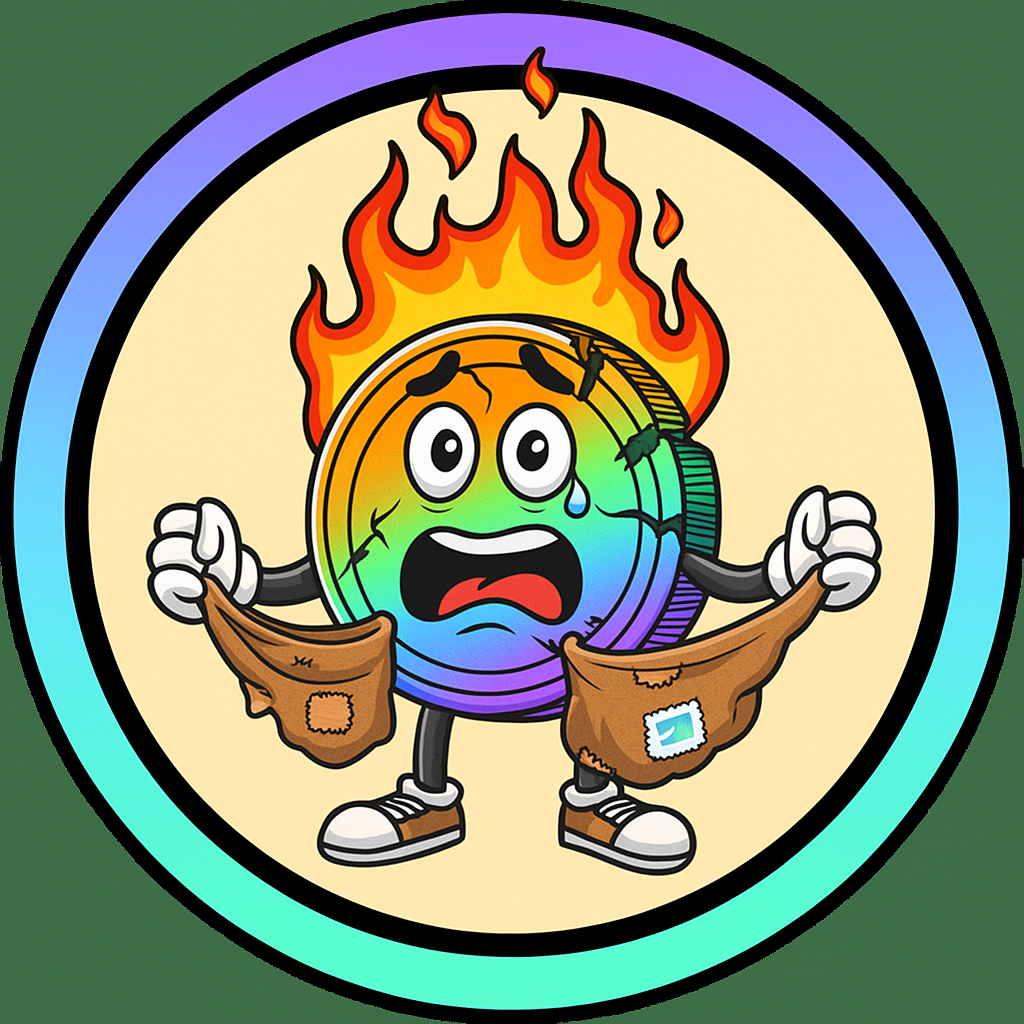
You may hear that a project is “burning” tokens to help price or reward holders. Token burning sounds dramatic, but it is a simple idea. Understanding token burning in crypto helps you see what is really happening to supply and why it is not a magic fix.
Simple Definition of Token Burning
Token burning is when a project permanently removes tokens from circulation.
This usually means:
Sending tokens to a special address that no one controls.
Or marking tokens in a smart contract so they can never be used again.
Once burned, those tokens should not come back. In theory, this reduces supply.
How Token Burning Works
There are a few common ways projects burn tokens:
Manual burns: The team takes some of their tokens or project-owned tokens and sends them to a burn address.
Automatic (programmed) burns: Smart contracts burn a part of each transaction, fee, or specific action. For example, a small percentage of every trade might be burned.
Event-based burns: A project burns tokens after certain milestones, such as reaching a revenue target or completing a roadmap step.
In all cases, the project is trying to take tokens out of circulation in a transparent way on-chain.
Why Projects Burn Tokens
Projects often say they burn tokens to:
Reduce supply over time. If demand stays the same or rises, a smaller supply could support higher prices.
Reward long-term holders. Burning can be marketed as “value returning to holders” because their share of the remaining supply becomes larger.
Signal commitment. Team burns can signal that the project is not planning to dump all its tokens on the market.
However, burning is only one part of the story. Demand, real usage, and overall market conditions still matter.
Benefits and Risks of Token Burning
Possible benefits
Can slow down or reduce total supply.
Can align with real usage (for example, burning a portion of fees from actual activity).
On-chain burns are visible, so you can verify that they happened.
Key risks and limits
Burning does not create new demand by itself. A token with no use remains risky, even if supply falls.
Team-controlled burns can be reversed if the team still holds large amounts of tokens.
Heavy focus on burns can distract from more important things like product, users, and transparency.
Some projects use burn promises mainly as marketing.
Burning should be seen as one piece of tokenomics, not a guarantee of long-term success.
Practical Questions to Ask
Before you get excited about burns, ask:
Who is burning the tokens and whose tokens are they?
Is the burn rule automatic and on-chain, or just a promise?
Is burning connected to real usage, or is it just a one-time stunt?
How does burning fit into the whole token supply, unlocks, and vesting schedule?
These questions help you tell the difference between serious design and pure hype.
Takeaway
Token burning is the process of permanently removing tokens from circulation, often to reduce supply and signal commitment. It can support better tokenomics when tied to real activity, but it is not a cure-all. Always look at how burns are done, who controls them, and whether the project has real utility beyond the burn story.
Not financial advice. Educational purposes only.