
Crypto Investing for Beginners
Click the buttons below for specific topics on crypto investing!



AI and Data Tokens: New Narrative or Lasting Category?
AI and data tokens explained in plain English. Learn why this crypto theme may be both a real category and a hype-driven narrative for beginners.

Layer 1 Bets: Why Some Investors Focus on Base Chains
Layer 1 bets explained in plain English. Learn why some crypto investors focus on base chains, how L1s create value, and the main risks to watch.

Investing Across Crypto Sectors: L1s, L2s, DeFi, NFTs, Infra, & More
Investing across crypto sectors explained in plain English. Learn how L1s, L2s, DeFi, NFTs, and infrastructure projects differ for beginners.

What Is a Token Treasury?
What is a token treasury in crypto? Learn how project treasuries work, what they hold, and why treasury management matters for risk and stability.

Bridges and Cross-Chain Risks in Crypto
Bridges and cross-chain risks explained in plain English. Learn how crypto bridges work, why wrapped tokens exist, and the main security risks beginners should know.
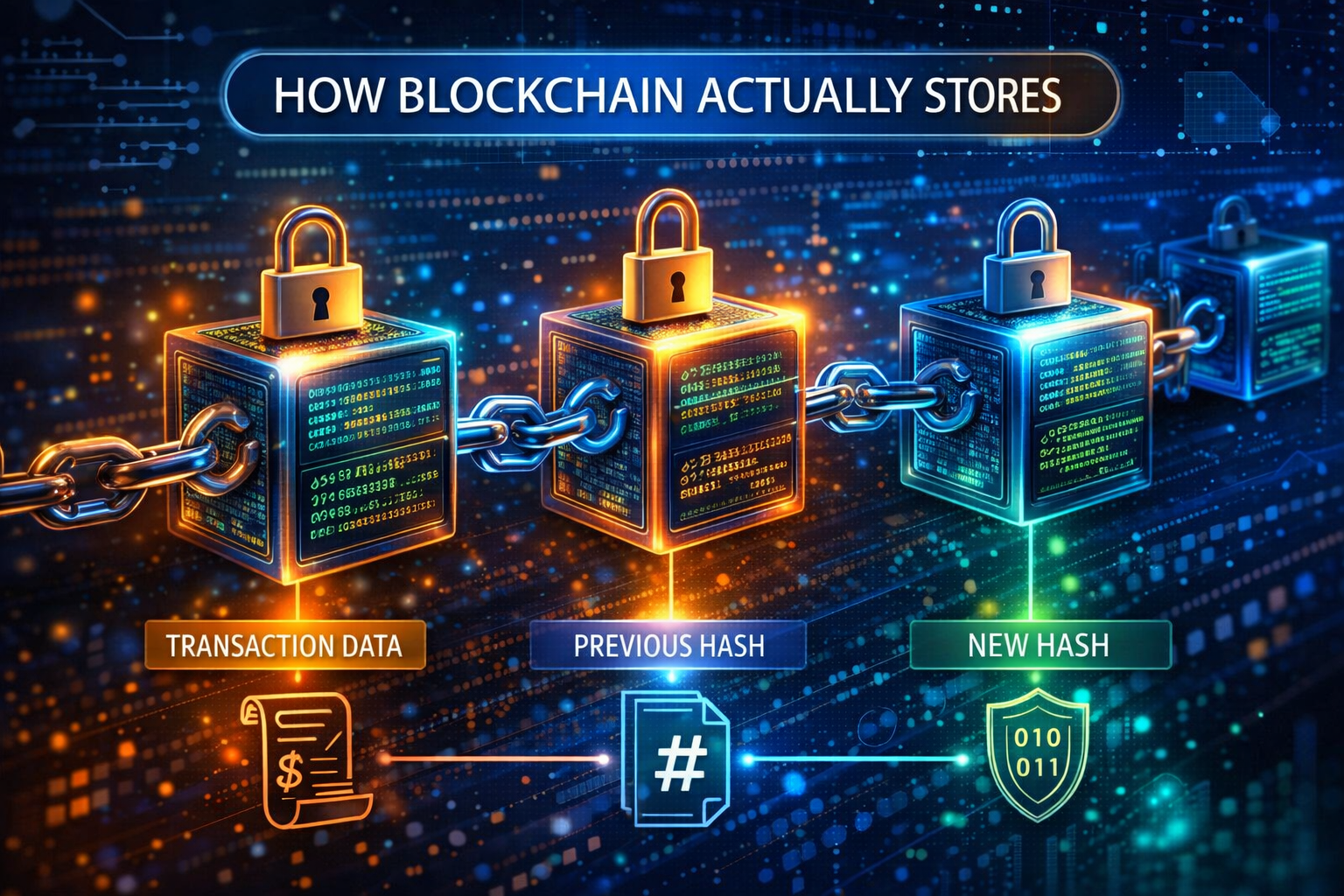
How Blockchain Actually Stores Data
How blockchain actually stores data explained in plain English. Learn what goes on-chain, what stays off-chain, and why blockchain is more like a record book.

Market Order vs Limit Order in Crypto
Market order vs limit order explained in plain English. Learn why order type matters in crypto, especially when trading low-liquidity tokens.

Circulating Supply vs Total Supply vs Max Supply
Circulating supply vs total supply vs max supply explained in plain English. Learn what each means and why future token supply can affect risk.

Dollar Cost Averaging in Crypto
Dollar cost averaging in crypto explained. Learn how investing a fixed amount on a schedule can smooth out prices, reduce stress, and still carry real risks.

APR vs APY in Crypto: How Yields Are Advertised
APR vs APY in crypto explained in plain English. Learn how platforms advertise yields, how compounding changes returns, and why high APY always comes with risk.

Crypto Portfolio Tracking Basics
Crypto portfolio tracking basics in plain English. Learn how wallet labeling, cost basis, and simple records help you understand gains, losses, and risk.

How Social Media Affects Crypto Investing Decisions
Learn how social media affects crypto investing decisions, from FOMO and FUD to influencer hype, and how to use online information without trading on emotion.

Private Transactions on a Public Blockchain
Private transactions on public blockchains explained. Learn how blockchain privacy works, common tools people use, and the legal and technical risks involved.

What Are Stablecoins in Crypto?
Learn how fiat-backed, crypto-backed, and algorithmic stablecoins work, why they matter, and the key risks beginners should know.
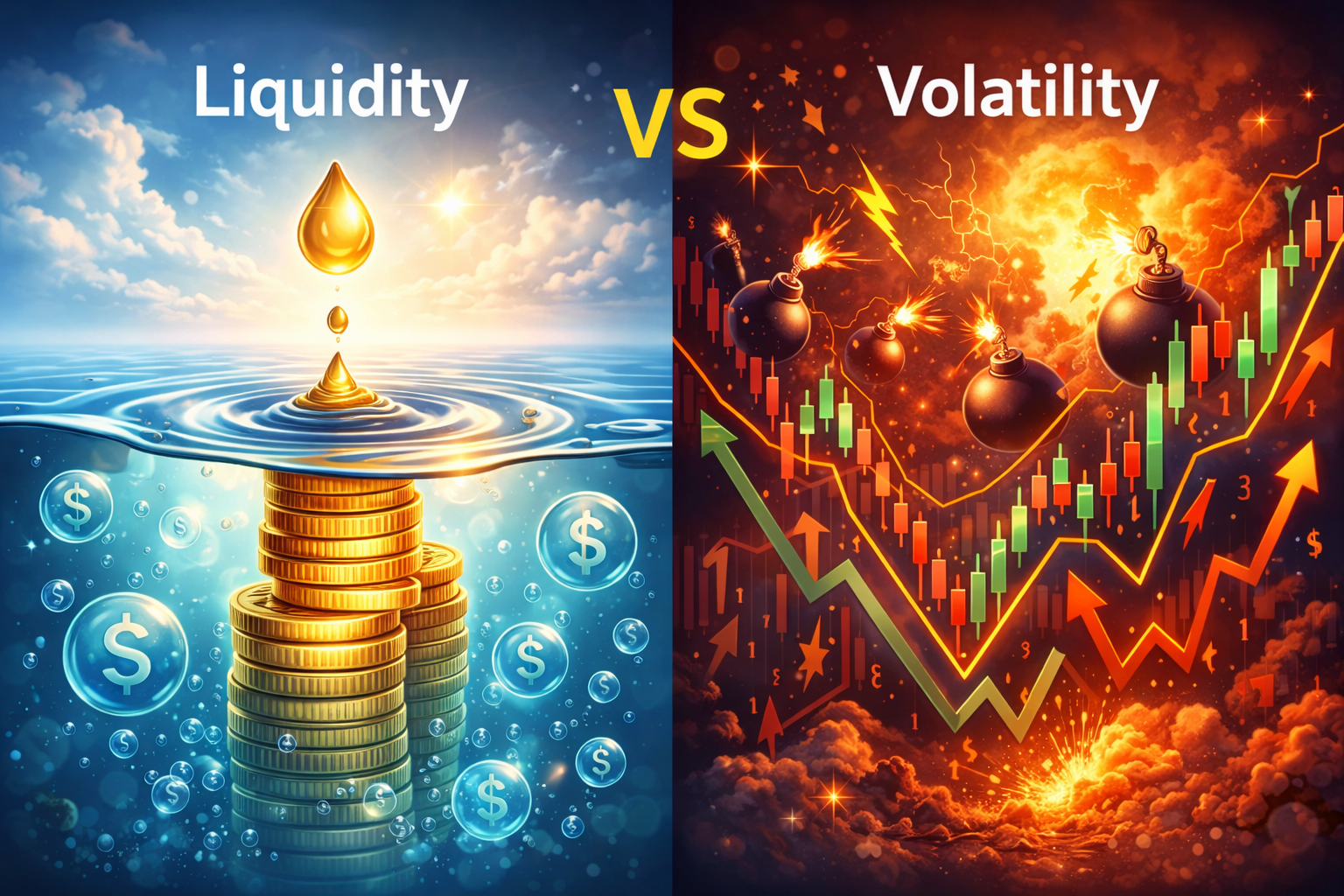
Liquidity vs Volatility in Crypto: How They Interact
Learn how low liquidity can increase volatility, why they feed into each other, and what that means for beginner traders.

Phishing in Crypto: What Beginners Need to Know
Learn how fake sites, support scams, and airdrop tricks steal wallets and simple steps to avoid common attacks.

Leverage in Crypto: Why It Magnifies Both Gains and Losses
Learn how margin and liquidation work, and why leverage multiplies both gains and losses for beginner crypto traders.

Why Crypto Feels More Emotional Than Other Assets
See how volatility, 24/7 markets, social media, and self-custody make crypto especially intense.