





Government Bonds vs Corporate Bonds
Government bonds vs corporate bonds explained in simple language. Learn the key differences in risk, yield, and stability for beginner investors.

What Is a Bond?
What is a bond? Learn how bonds work, why they pay interest, and the key benefits and risks for beginner investors.

Target-Date Funds
Target-date funds explained in simple language. Learn how they work, why beginners use them, and how these retirement funds adjust risk over time.

Expense Ratio and Why It Matters
Expense ratio explained in simple language. Learn what it is, how fund fees work, and why even small costs can matter for beginner investors over time.
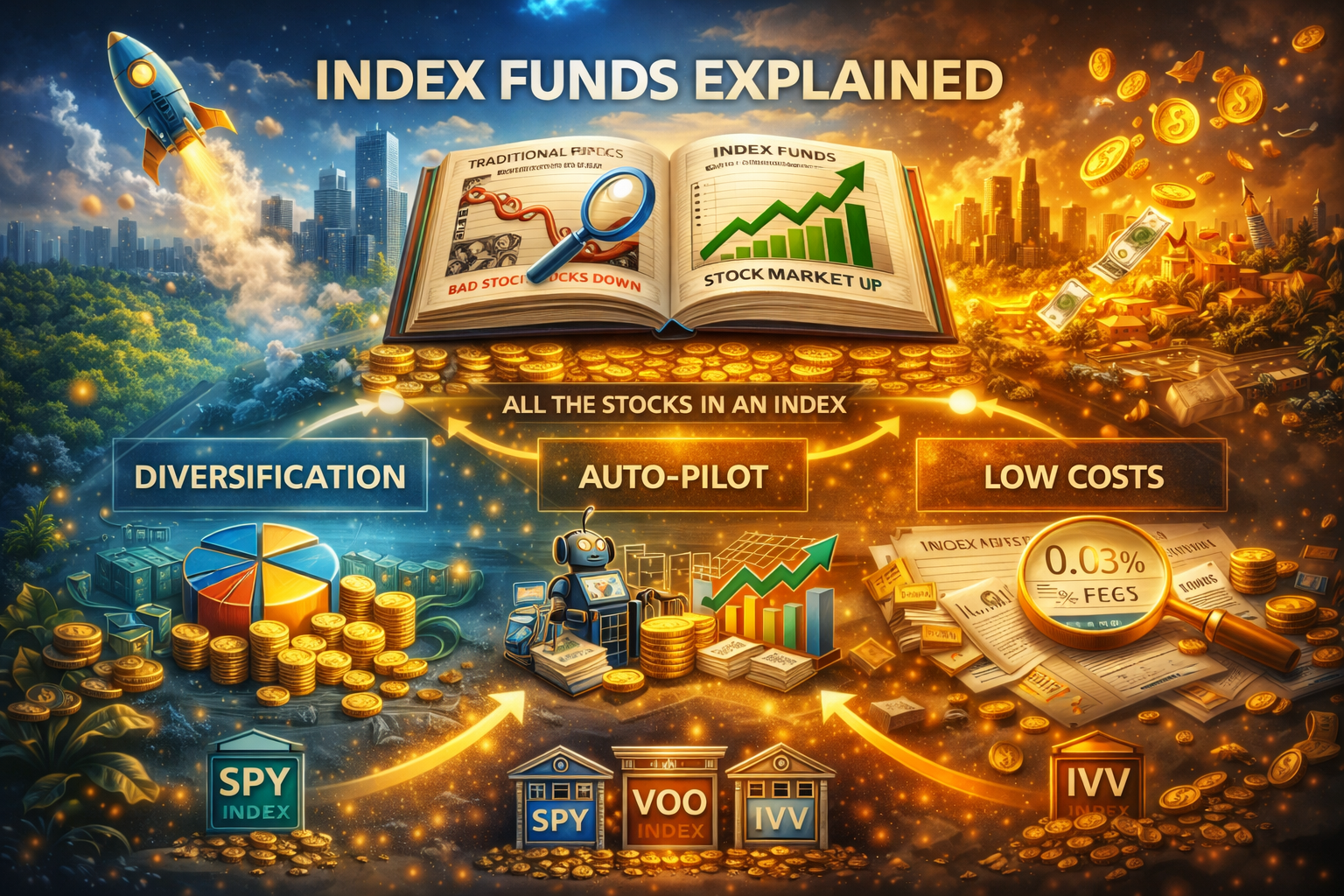
Index Funds Explained
Index funds explained in simple language. Learn how index funds work, why beginners use them, and the main benefits and risks of passive investing.
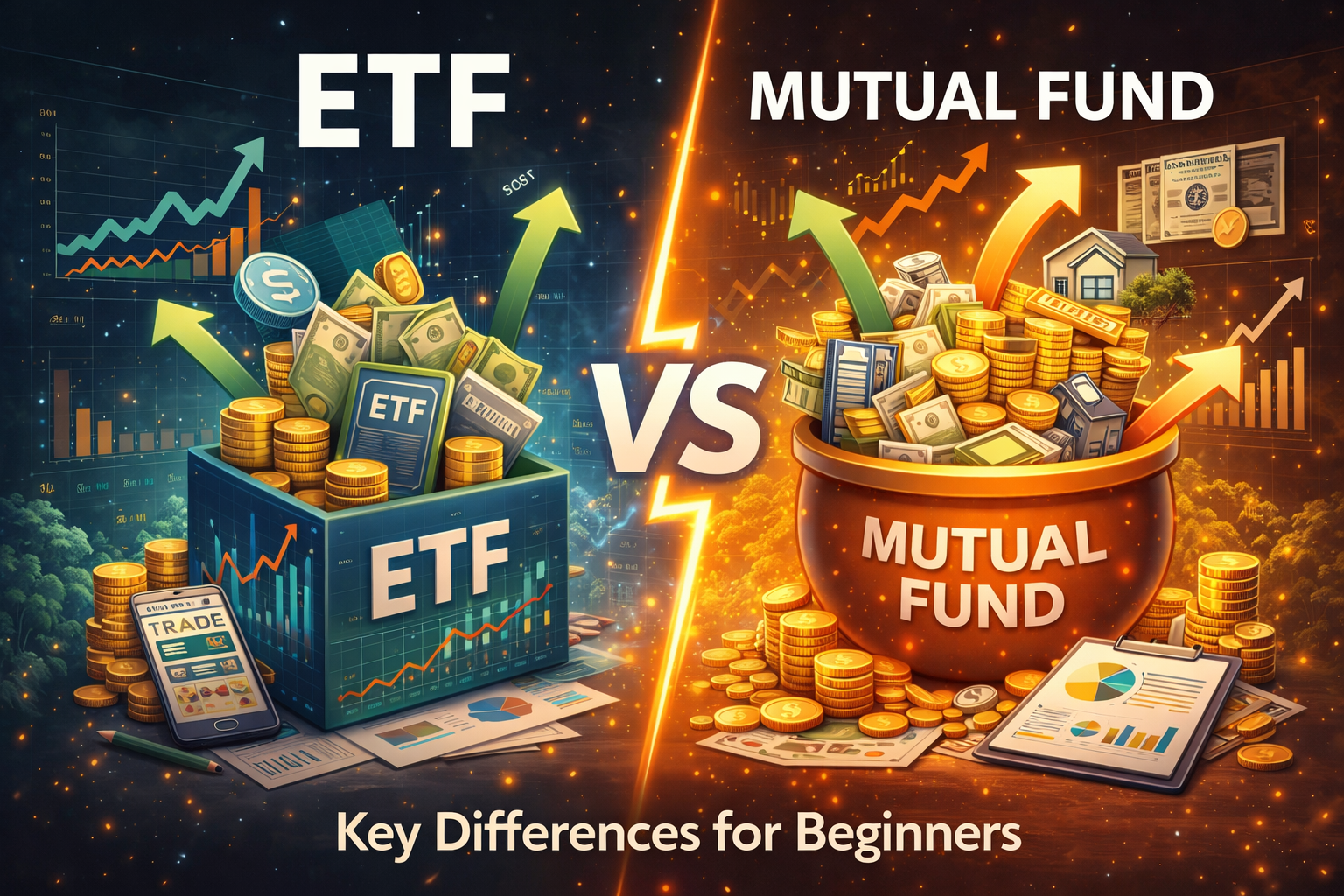
ETFs vs Mutual Funds
ETF vs mutual fund explained in simple language. Learn the key differences in trading, pricing, fees, and flexibility so beginners can understand both.

What Is a Mutual Fund?
What is a mutual fund? Learn how mutual funds work, why beginners use them, and the main benefits and risks in simple, clear language.

Active vs Passive Investing
Active vs passive investing explained in plain English. Learn how these two approaches differ in cost, strategy, risk, and effort for beginner investors.
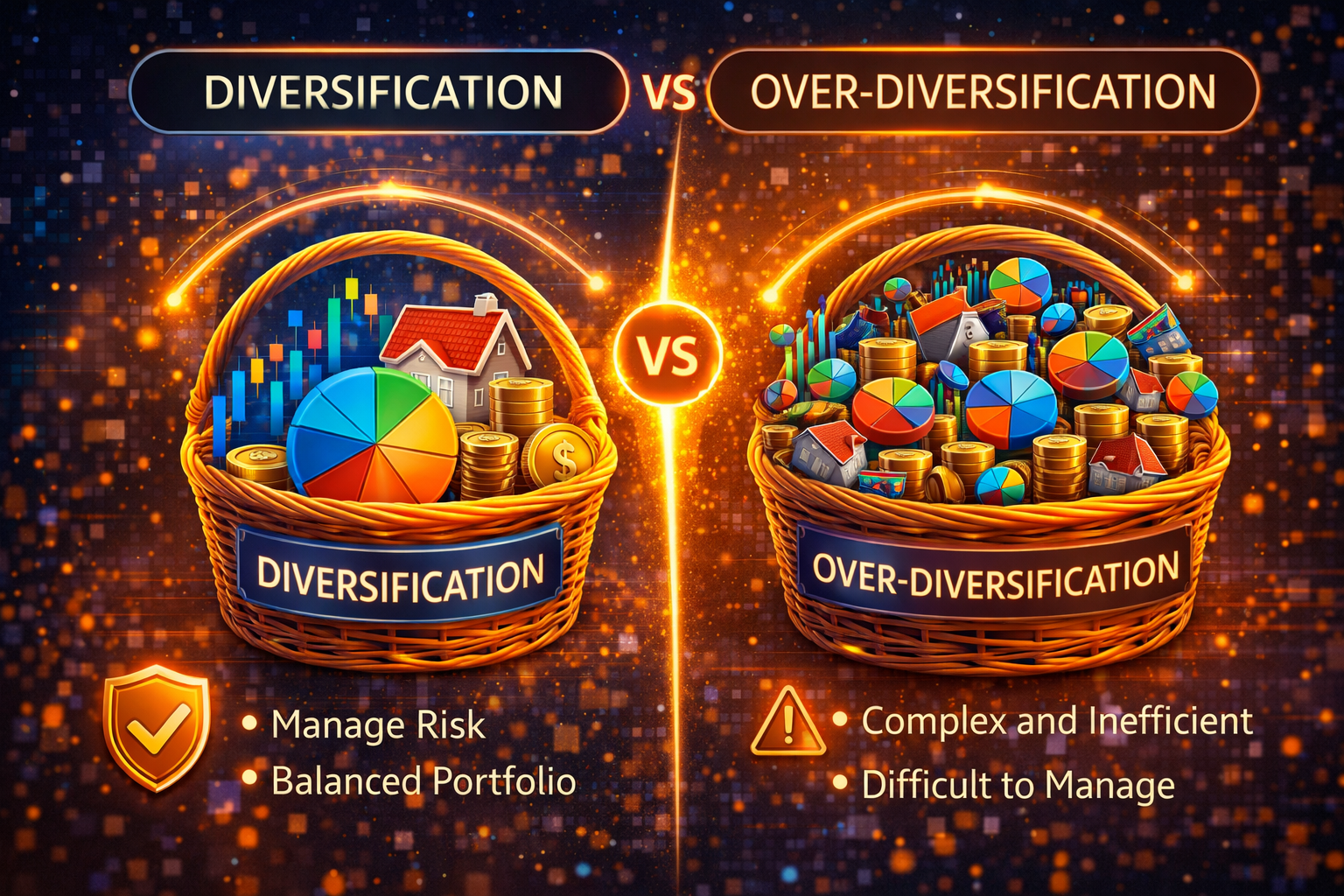
Diversification vs Over-Diversification
Diversification vs over-diversification explained in simple language. Learn how spreading risk helps, and when adding more holdings stops adding much value.

What Is Diversification and Why Investors Talk About It Constantly
What is diversification? Learn why investors spread money across different investments and how diversification helps beginners manage risk over time.

Emergency Fund and Why It Usually Comes Before Investing
Learn why an emergency fund usually comes before investing, how it works, and why a cash safety net matters for beginners and long-term planning.
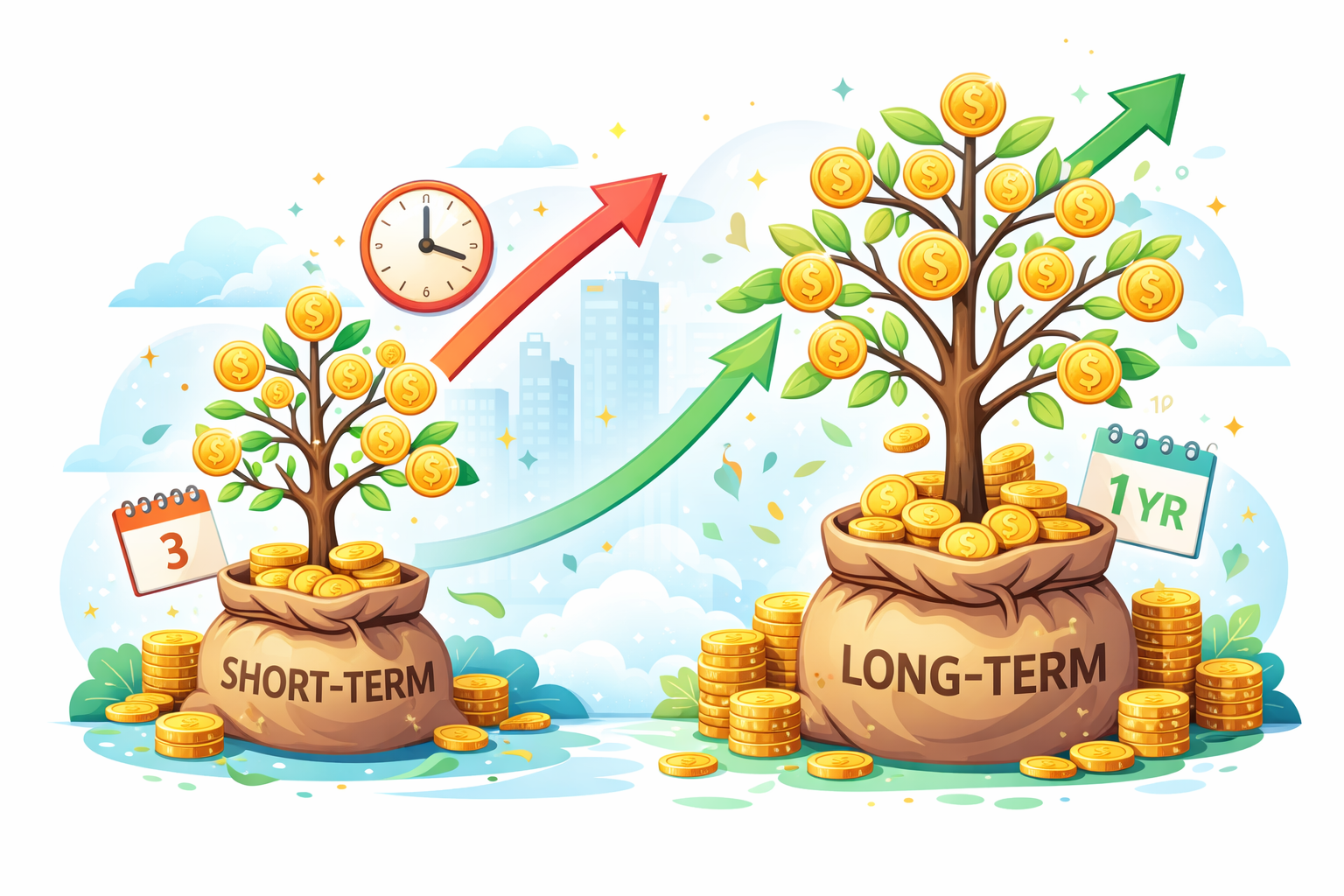
Short-Term vs Long-Term Capital Gains Explained
Short-term vs long-term capital gains explained in simple terms. Learn how holding periods affect taxes on your investment profits as a beginner investor.

Buybacks in Plain English
Buybacks in plain English. Learn what a stock buyback is, why companies repurchase their own shares, and the key benefits and risks for beginner investors.
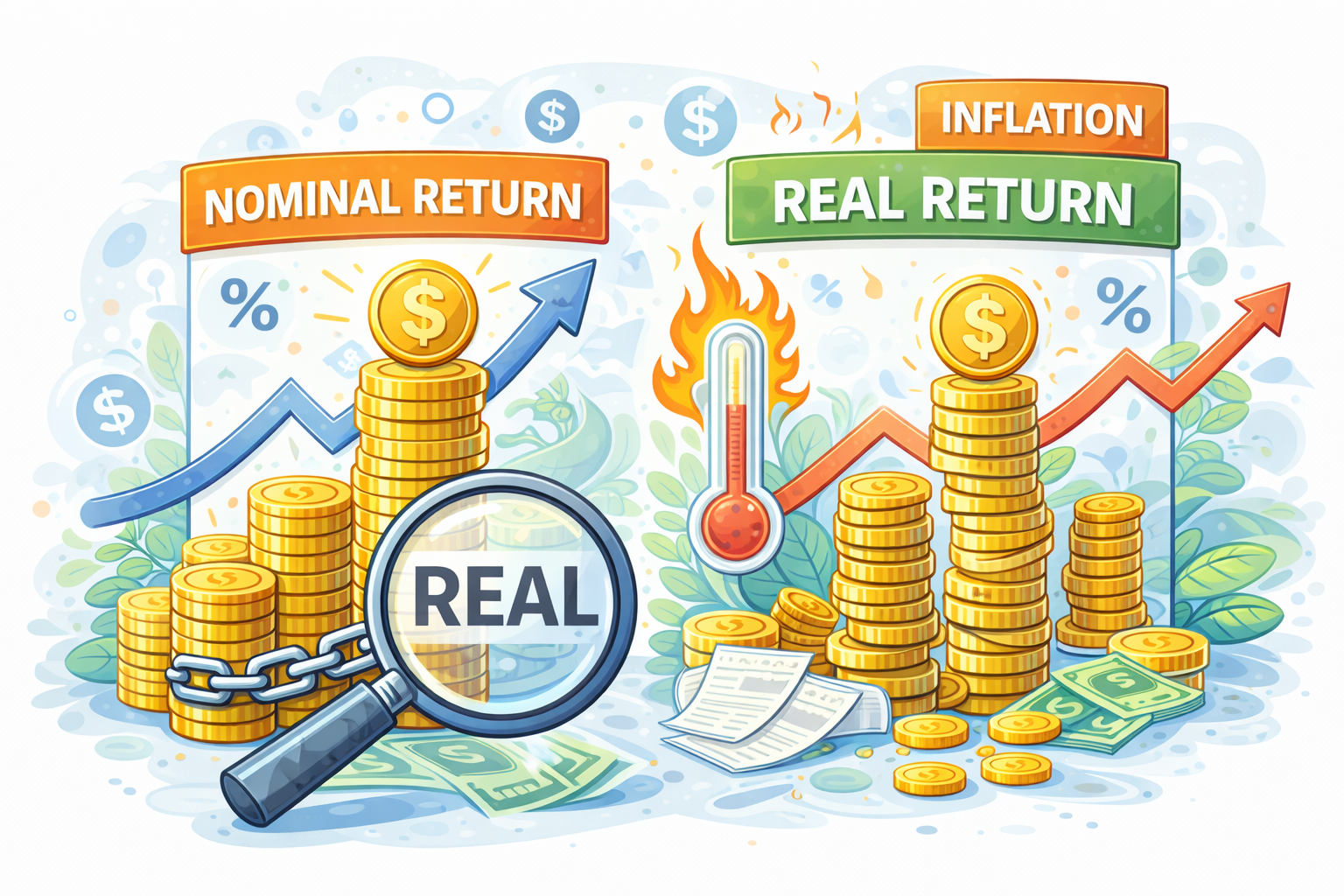
Understanding Return: Nominal vs Real
Nominal vs real return explained in plain English. Learn how inflation affects your investment returns and why real return matters for beginner investors.

How to Read a Basic Stock Quote
Learn how to read a basic stock quote. We explain ticker symbol, last price, change, bid-ask, volume, and ranges in simple language for beginner investors.

What “Liquidity” Means in Stocks
What is liquidity in stocks? Learn how trading volume, bid-ask spreads, and market depth affect how easily you can buy or sell shares as a beginner investor.