How to Handle Interruptions Gracefully and Get Back on Track
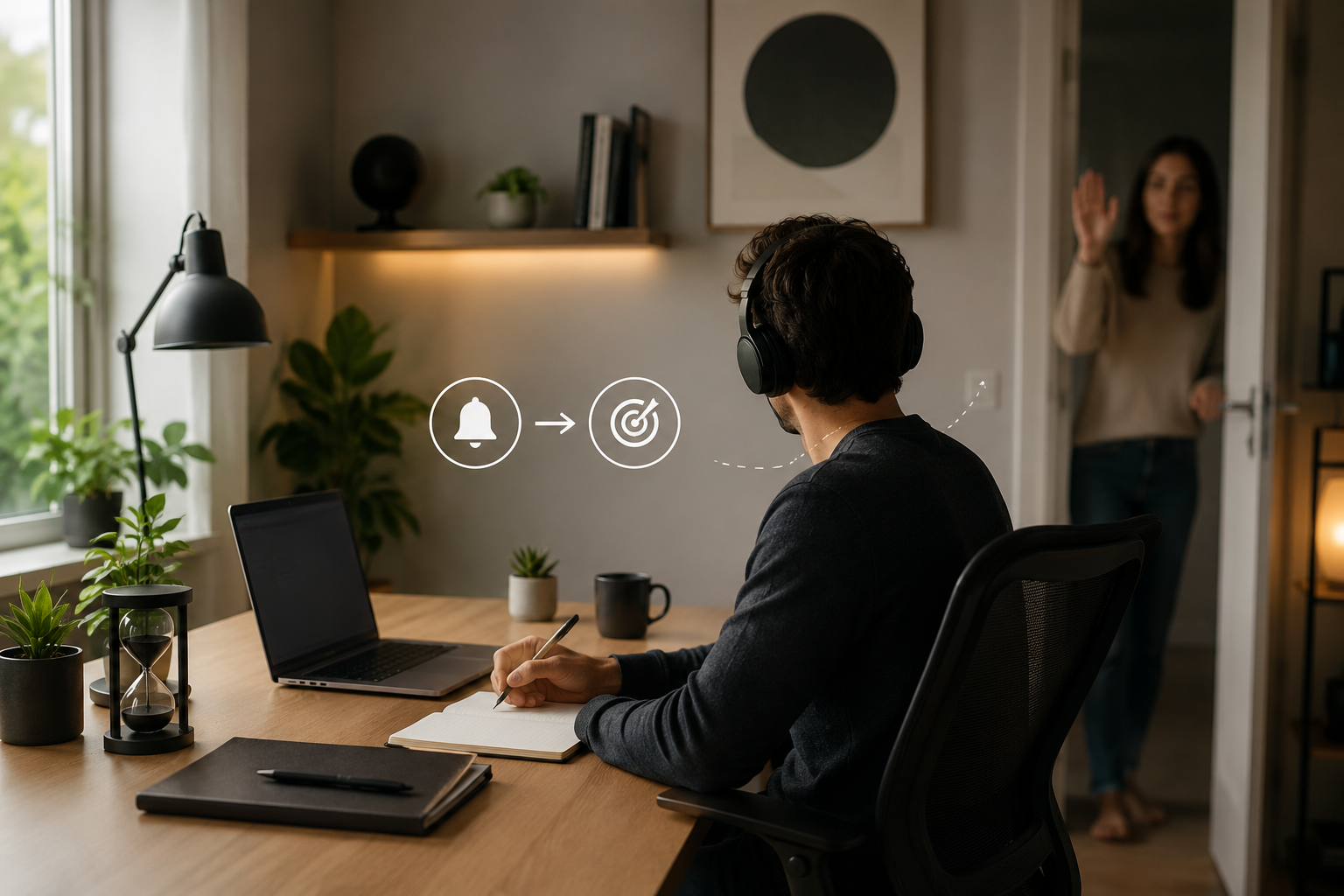
Interruptions are part of daily life. A message pops up, someone asks a question, a phone call comes in, or a sudden task needs attention. Learning how to handle interruptions gracefully can help you protect your focus without being rude, frustrated, or completely thrown off track.
Why Interruptions Feel So Disruptive
An interruption does more than stop the task in front of you. It also breaks your mental flow. You may lose your place, forget your next step, or need extra time to remember what you were doing.
This is why even short interruptions can feel tiring. Your brain has to switch away from one task, respond to something new, and then restart the original task. The more often this happens, the harder it can be to make steady progress.
Responding Without Overreacting
Handling interruptions gracefully starts with a small pause. Instead of reacting immediately, take a moment to decide what kind of interruption it is.
Ask yourself:
Is this urgent, or can it wait?
Does this need my attention right now?
Can I give a short answer and return to my task?
Do I need to schedule a better time for this?
For example, if someone asks a non-urgent question while you are focused, you might say, “I’m in the middle of something right now, but I can check on that in 30 minutes.” This keeps the tone respectful while still protecting your attention.
Create a Simple Return Plan
A return plan is a small note that helps you restart after an interruption. Before you step away, write down where you were and what comes next.
Examples:
“Next: finish paragraph about budget review.”
“Call back after sending invoice.”
“Resume on step 3.”
“Open email draft and add final sentence.”
This takes less than a minute, but it can save you from staring at your work later wondering where to begin.
Reduce Repeat Interruptions
You cannot prevent every interruption, but you can reduce some of them.
Try these simple habits:
Put your phone on silent during short focus blocks.
Close email or chat when doing work that needs attention.
Let others know when you are unavailable for a short period.
Set planned times to respond to messages.
Keep a small “later list” for questions, ideas, and non-urgent tasks.
Use a visible cue, like headphones or a closed door, when appropriate.
Group quick replies together instead of answering every alert immediately.
The goal is not to ignore people. The goal is to respond in a way that respects both your focus and the other person’s needs.
Takeaway
Learning how to handle interruptions gracefully means pausing, deciding what needs attention, and making it easier to return to your original task. Interruptions will still happen, but they do not have to control your whole day. Start by using one small return note the next time you are interrupted, then come back to the next step instead of starting over.