What Is Stress? Everyday Pressures in Plain Language
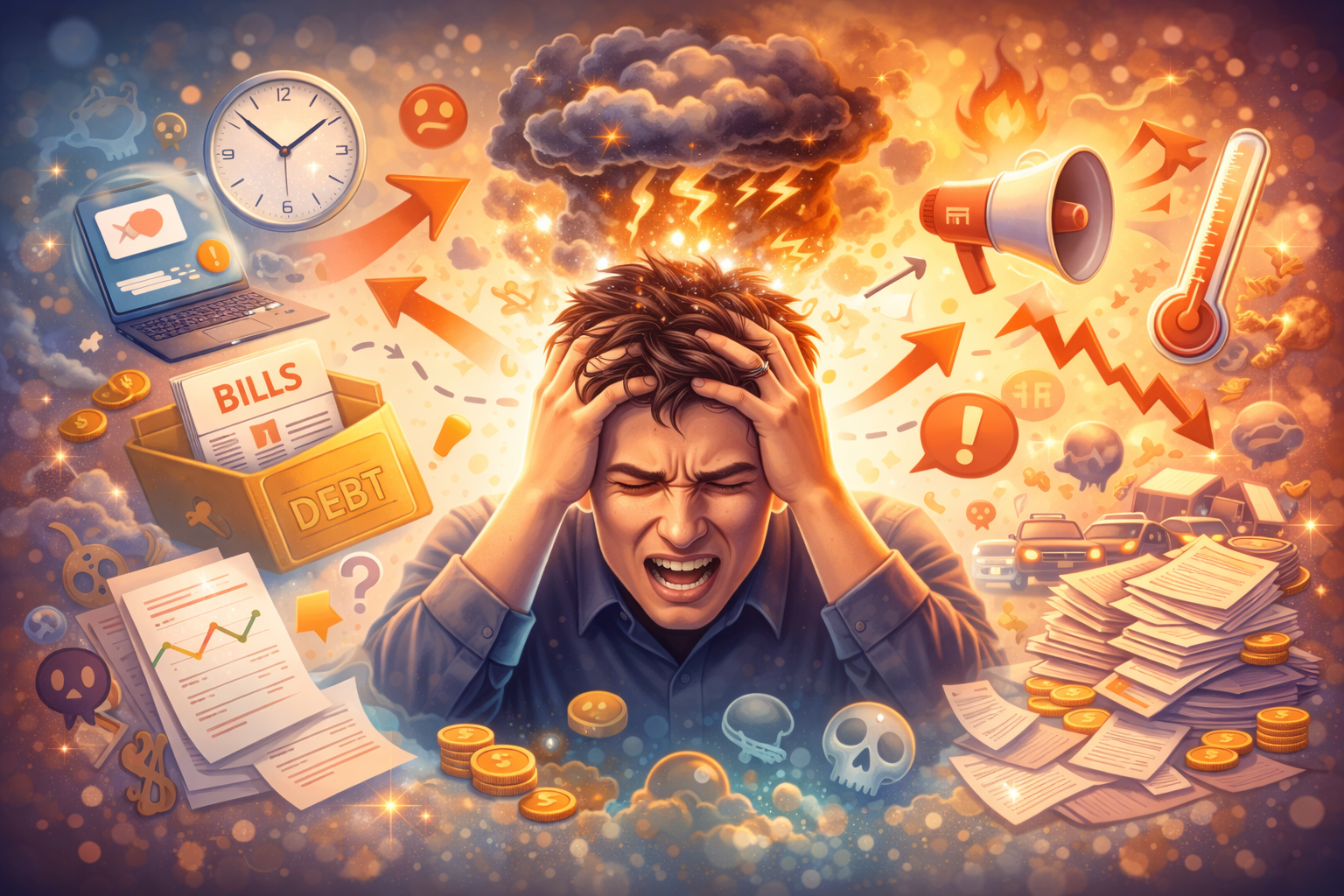
Stress is the pressure you feel when life’s demands seem heavy, urgent, or uncertain. It can show up as worry in your mind, tension in your body, or a feeling that there is “too much” on your plate. Understanding what stress really is in everyday life can make it easier to respond instead of feeling pushed around by it.
What Stress Is in Daily Life
In simple terms, stress is your body and mind getting activated to deal with something. That “something” might be a work deadline, money worries, a crowded schedule, or changes at home.
Everyday stress can look like:
Racing thoughts about what you still need to do.
Tight shoulders, a faster heartbeat, or a knot in your stomach.
Feeling on edge, impatient, or easily frustrated.
Stress itself is not “good” or “bad.” It is a natural response that can sometimes help you act, and sometimes feel overwhelming.
Different Kinds of Everyday Stress
Not all stress feels the same:
Short-term stress: A rush to get somewhere on time or finish a task today. This often settles after the situation is over.
Ongoing stress: Repeated or long-lasting pressures, like money concerns, work overload, or family tension.
Short-term stress can sometimes give energy to get things done. Ongoing stress can be more draining, because your body and mind feel like they never fully “switch off.”
Common Causes of Everyday Stress
Many people notice stress around:
Time pressure: Too much to do, not enough hours.
Uncertainty: Not knowing what will happen next at work or in life.
Conflicting roles: Trying to meet expectations from family, work, school, and yourself.
Clutter and disorganization: Not being able to find what you need, when you need it.
These are common human experiences, not signs of personal failure.
Simple Ways to Work With Stress (Not Against It)
You cannot remove all stress, but you can respond to it more gently:
Name it: “I am feeling stressed about this deadline,” instead of just “I’m a mess.”
Break tasks down: Turn “fix my life” into “make a list,” then “do one small step today.”
Adjust expectations: Aim for “good enough” on some tasks instead of perfection everywhere.
Protect small pockets of time: Even 5–10 minutes to pause, breathe, or organize your thoughts can help you feel less rushed.
Different approaches work for different people. It often helps to experiment and notice what makes daily stress feel a bit lighter.
Takeaway
Stress, really, is your system responding to demands, change, and pressure. It shows up in thoughts, feelings, and physical tension, especially when life feels full or uncertain. By noticing your stress, naming what is causing it, and taking small, realistic steps, you can relate to it with more clarity and less self-criticism.
General information only. Not medical, mental health, or professional advice.