Blockchain Explorers in Plain English
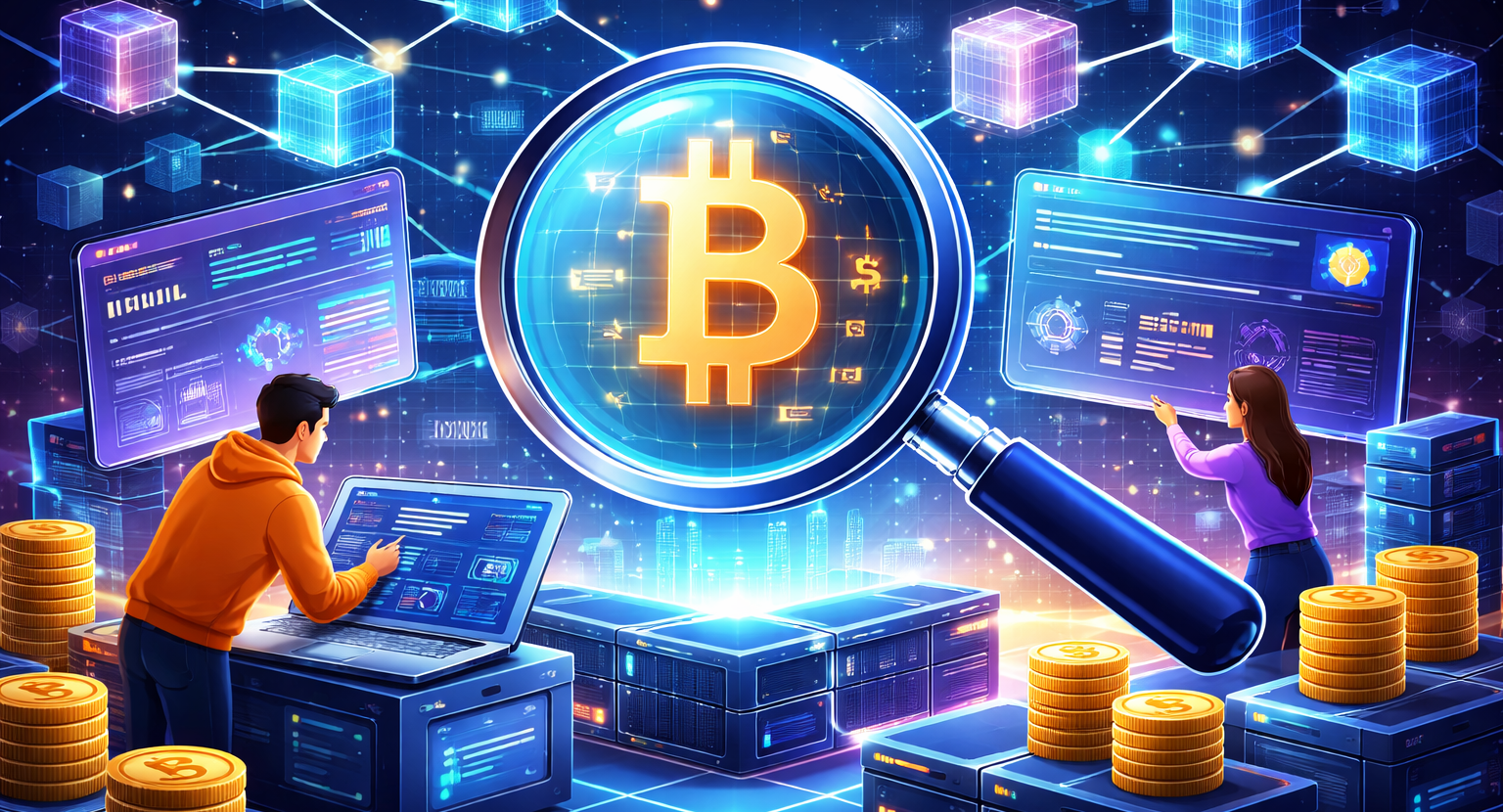
A blockchain explorer is like a search engine for a blockchain. It lets you look up transactions, wallet addresses, blocks, and more. Understanding blockchain explorers helps you see what is really happening on-chain instead of just trusting screenshots or rumors.
What Is a Blockchain Explorer?
A blockchain explorer is a website or tool that reads data from a blockchain and shows it in a human-readable way.
With an explorer, you can:
Search wallet addresses.
Check transaction status.
See new blocks and network activity.
It does not store your coins. It simply displays information that is already public on the blockchain.
What Can You Do With a Blockchain Explorer?
Common uses for beginners:
Check if a transaction went through.
Paste the transaction ID (also called a hash) and see if it is confirmed, pending, or failed.Look up a wallet address.
See the tokens it holds and its recent activity. This can confirm whether you sent funds to the right place.Review token contracts.
See the contract address, total supply, and holders for a token. This helps you avoid fake copies with similar names.Monitor network fees and activity.
You can see average fees, recent blocks, and how busy the network is.
Why Blockchain Explorers Matter
Explorers let you verify things yourself.
They can help you:
Confirm exchange deposits and withdrawals.
Double-check claims about burns, token supply, or large transfers.
Understand what actually happened when a transaction fails.
This transparency is one of the strengths of public blockchains.
Benefits and Risks
Possible benefits
More trust: You do not have to rely only on a project’s marketing or screenshots.
Better troubleshooting: You can see whether a problem is on your side, the app’s side, or the network.
Learning: Exploring real transactions teaches you how blockchains work in practice.
Key risks and limits
Data overload: Explorers show a lot of technical details that can confuse beginners.
Misreading data: It is easy to misunderstand what you are seeing if you do not know the basics.
Privacy: Everything you look up is still public data. If your real identity is linked to an address, others can also look it up.
Practical Tips for Using Explorers
Bookmark the official explorer for each chain you use (for example, the main one used in that ecosystem).
Always verify token contract addresses from trusted sources before buying or adding a token.
Save transaction IDs so you can quickly check status if something seems stuck.
Take your time and click around; learning by exploring small test transactions can reduce stress later.
Takeaway
A blockchain explorer is a public window into what is happening on a blockchain. It lets you verify transactions, check wallet balances, and review token details in real time. As a beginner, learning to use an explorer gives you more control, more transparency, and fewer mysteries when something does not go as expected.
Not financial advice. Educational purposes only.