Buybacks in Plain English
What Is a Buyback?
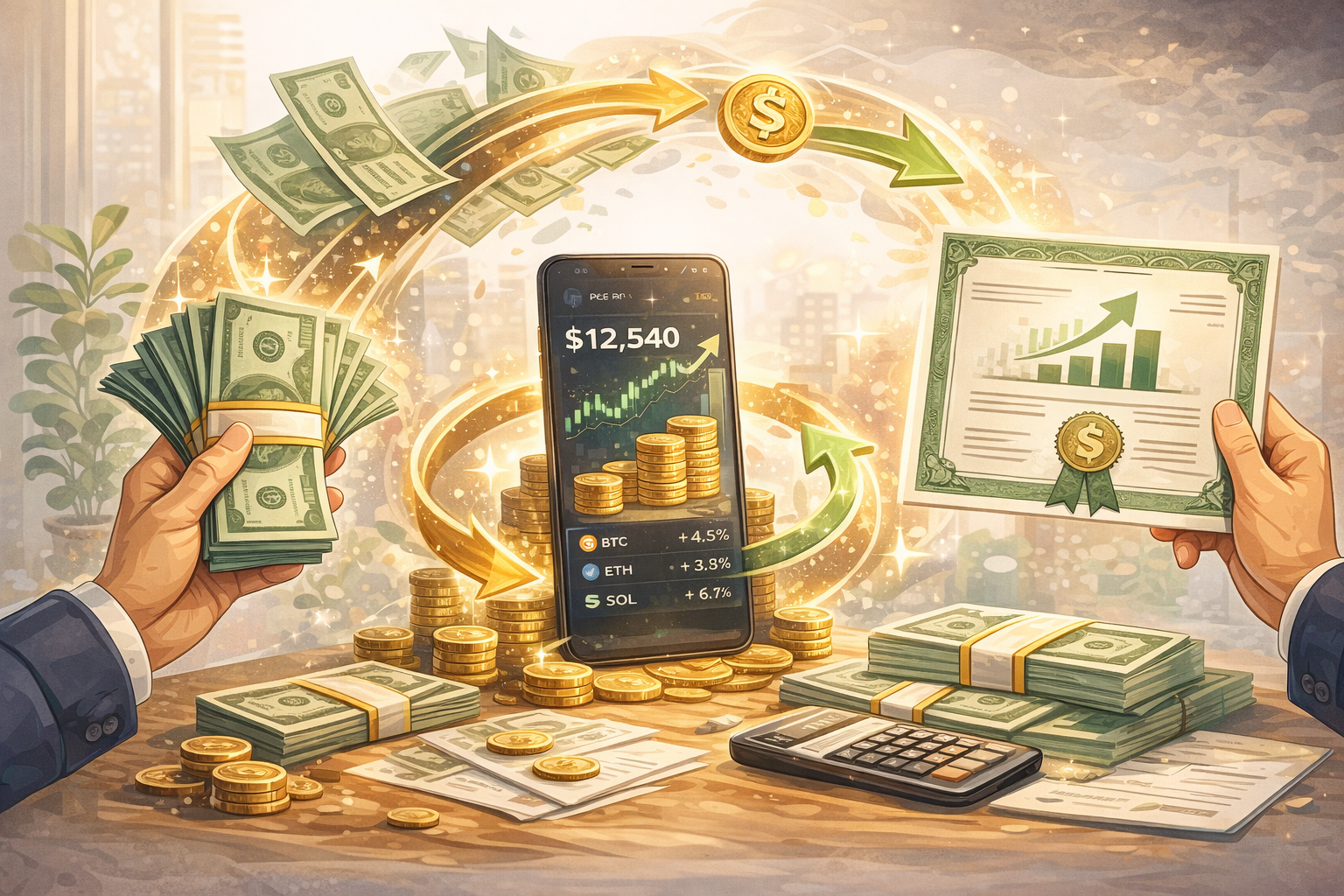
A buyback (stock repurchase) is when a company uses its own cash to buy its shares from the market.
Those shares are then usually:
Retired (canceled), or
Held by the company as “treasury stock.”
Either way, there are fewer shares left for the public. You still own the same number of shares, but now you own a slightly bigger slice of the company.
Why Do Companies Do Buybacks?
Companies may choose buybacks for several reasons:
They believe their stock is undervalued and want to buy it at what they see as a good price.
They want to return cash to shareholders, similar to dividends, but in a different form.
They want to increase earnings per share (EPS) by reducing the number of shares.
Think of it like a pizza with fewer slices. If the pizza (the company) stays the same size but there are fewer slices (shares), each slice represents more of the whole.
How Buybacks Can Help Shareholders
Buybacks can have potential benefits:
Higher EPS: With fewer shares, earnings per share can rise, which some investors like.
Possible price support: Buying shares can create extra demand, which may help the stock price in the short term.
Tax flexibility: Some investors prefer buybacks to dividends because they can decide when to sell and realize gains, depending on local tax rules.
However, none of this is guaranteed. The stock can still fall if the business struggles.
Risks and Criticisms of Buybacks
Buybacks also have downsides:
Using up cash: Money spent on buybacks is money not used for debt reduction, new projects, or bigger safety cushions.
Timing risk: Companies sometimes buy back a lot of stock when prices are high, then stop when prices are low.
Financial “makeup”: Buybacks can make EPS look better even if the underlying business is not growing much.
Some people worry that buybacks can reward executives (through stock-based pay) without always improving long-term business health.
What to Watch
If you see a buyback announced, it can help to ask:
Can the company afford it, or is it borrowing heavily to do it?
Is the core business growing, or are buybacks doing most of the EPS work?
How large is the buyback compared with the company’s total size?
A buyback by itself is not automatically good or bad. It is one piece of the bigger picture.
Takeaway
A buyback is when a company uses its cash to buy its own shares, leaving fewer shares for the public and potentially boosting each remaining share’s claim on the business. Buybacks can help shareholders if they are done for the right reasons and at sensible prices, but they can also drain cash and hide weak growth. For beginners, buybacks are worth noticing, but they do not remove the risk that any stock can go up or down in value.
Not financial advice. Educational purposes only.