
Crypto Investing for Beginners
Trading Mechanics & Metrics
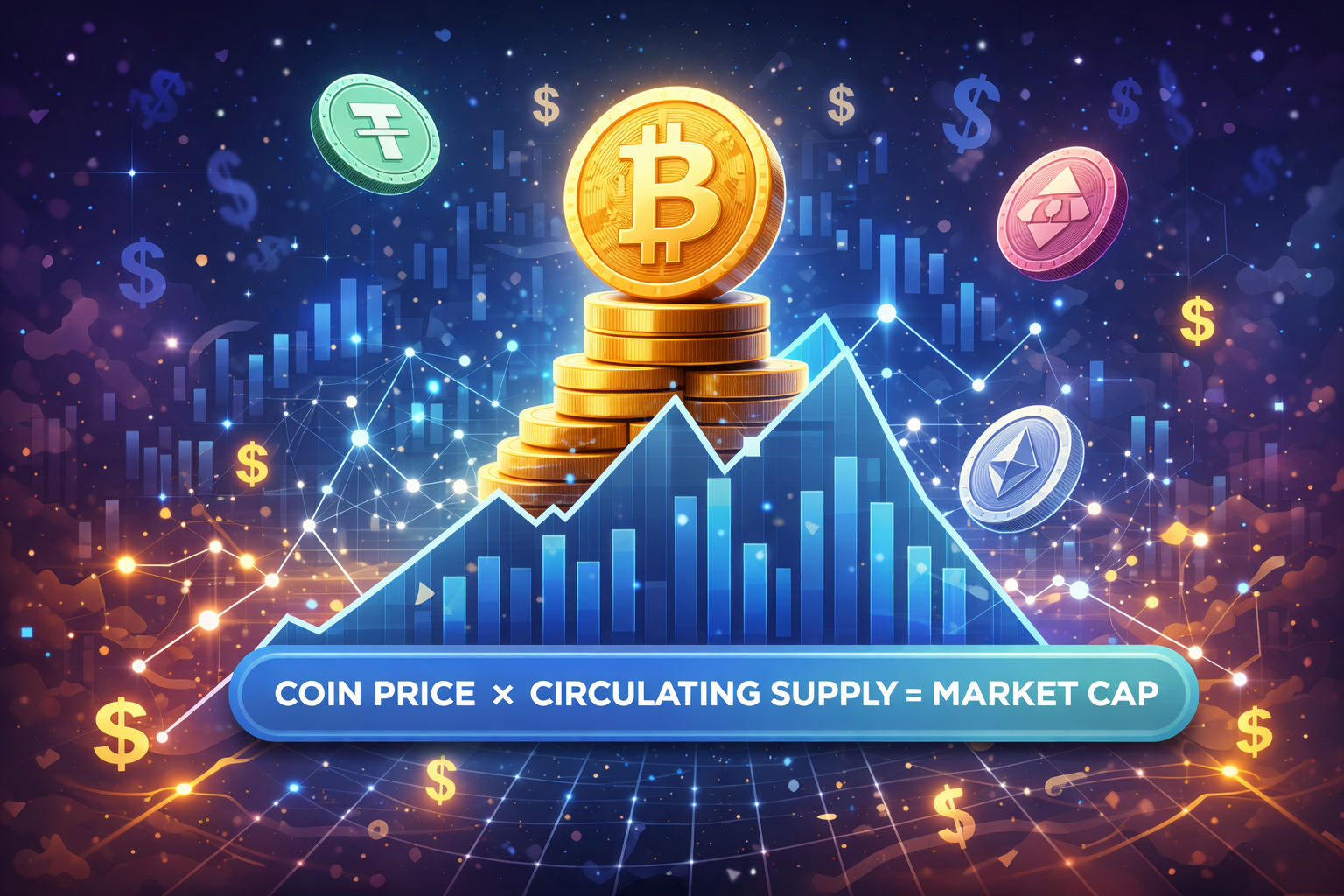
Crypto Market Cap: What It Is and Why It Matters
Learn how market cap, circulating supply, and fully diluted value help you compare coins beyond just price.

Why Holder Distribution Matters in Crypto
See how whale wallets, token ownership concentration, and unlocks can affect risk, price moves, and governance.
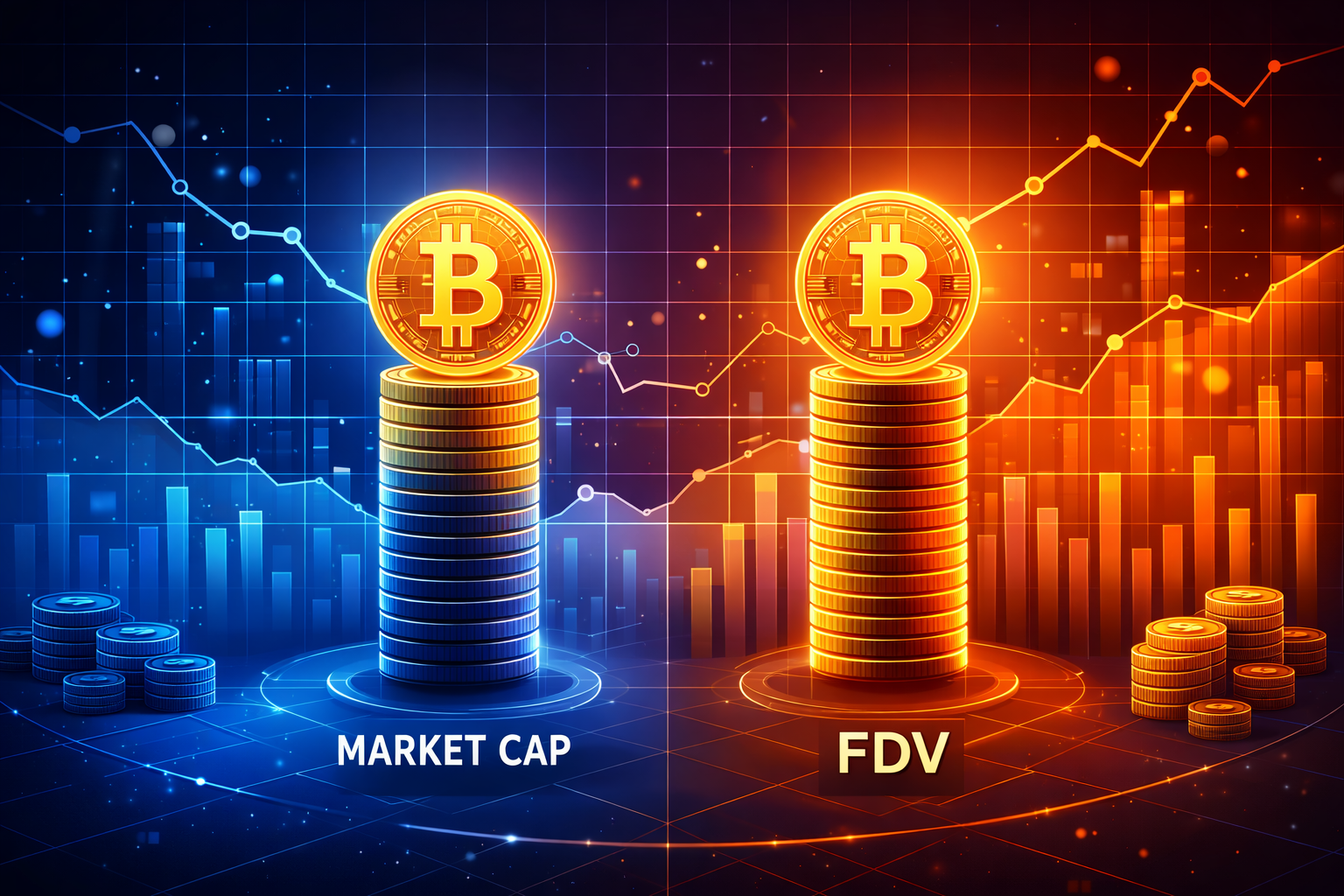
Market Cap vs FDV in Crypto
Learn what each number means, how circulating vs max supply differ, and why big gaps can signal future dilution risk.

What Is Liquidity in Crypto?
Learn how liquidity, slippage, and liquidity pools affect how easily you can trade coins and the risks of low-liquidity tokens.
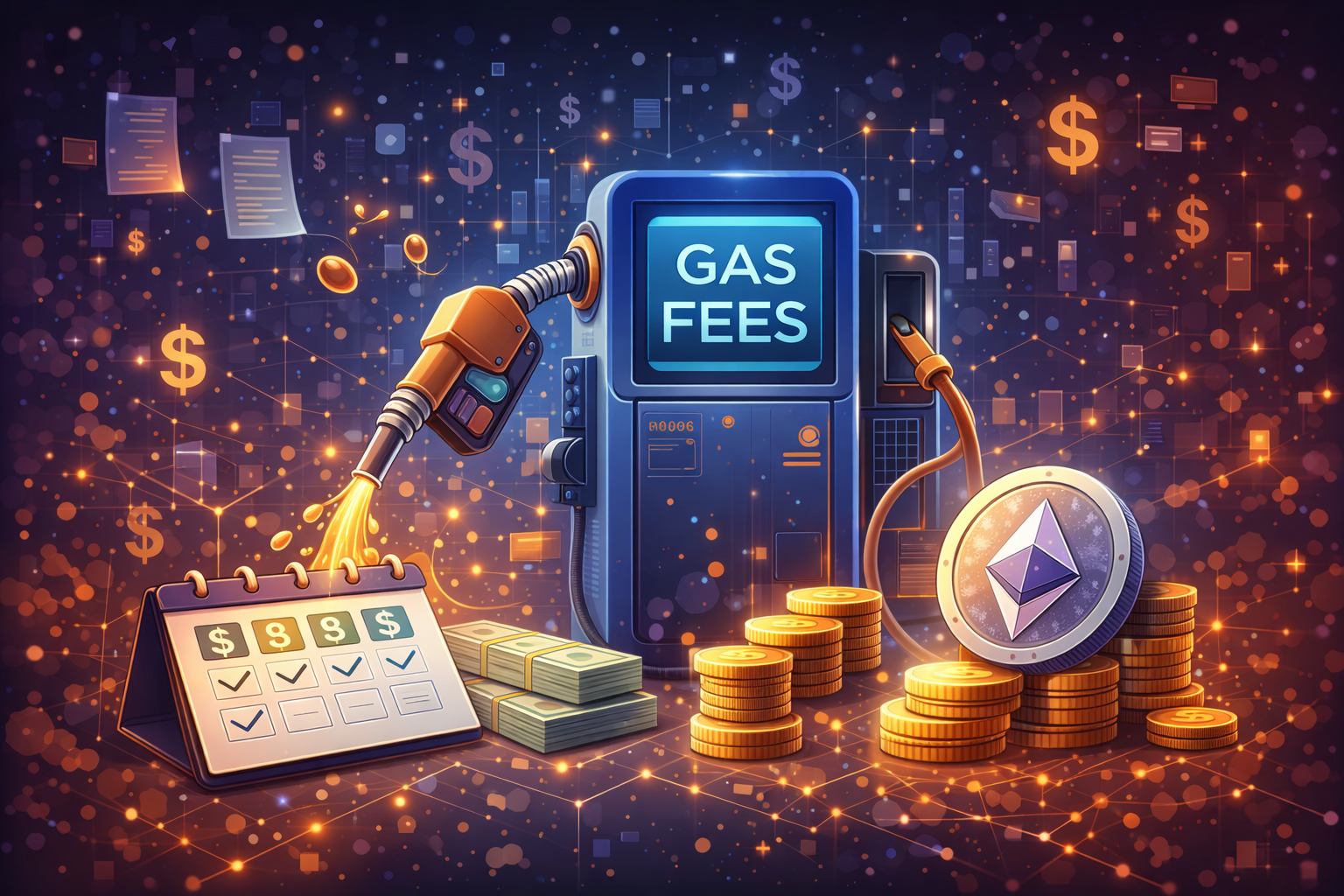
What Are Gas Fees in Crypto?
Learn what gas fees are, why they change, and how to save money when sending or trading coins.

What Is Slippage in Crypto?
Learn why your actual trade price can differ from the quote, how slippage tolerance works, and simple ways to reduce hidden costs.
Token Burning in Crypto
What is token burning in crypto? Learn how token burns work, why projects use them to reduce supply, and why burning is not a magic fix for weak demand.
Leverage in Crypto: Why It Magnifies Both Gains & Losses
Learn how margin and liquidation work, and why leverage multiplies both gains and losses for beginner crypto traders.